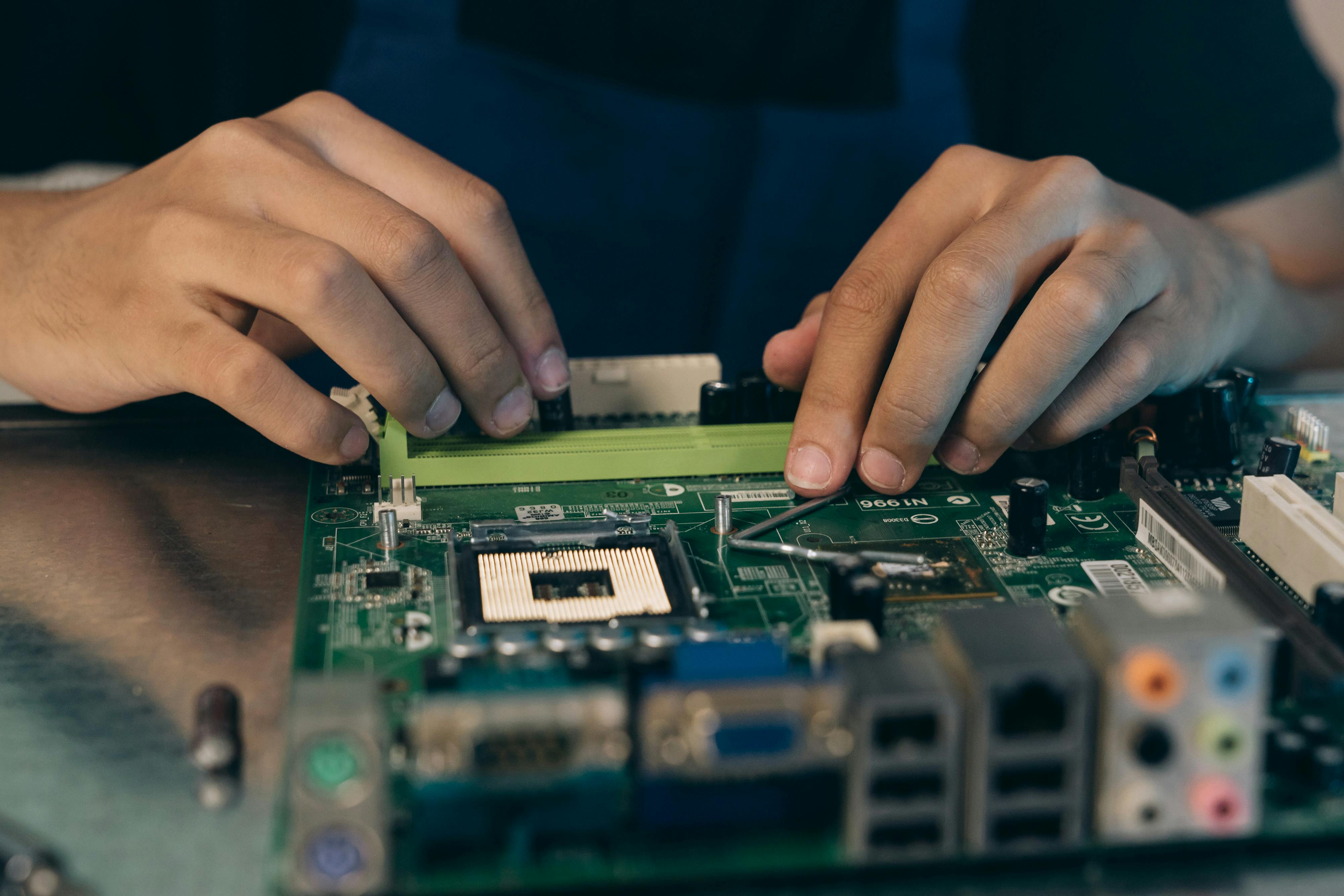
Your Ultimate Guide to LED Repair & Installation
Bringing Light Back to Life — Your Ultimate Guide to LED Repair & Installation
Introduction (Approx. 150–200 words)
Lighting sets the tone for any space—home, office, or retail. But what happens when your LEDs flicker, dim, or stop altogether? Rather than replacing, quality LED repair can revive them efficiently and affordably. And when it's time to set up fresh installations, seamless LED installation ensures brightness with longevity. In this guide, we’ll walk you through expert insights, practical steps, and best practices for both repairing and installing LED systems—with an eye on safety, cost-effectiveness, and performance.
1. Why Choose LED Repair Over Replacement? (Approx. 200–250 words)
Cost-Effective & Sustainable: Fixing your existing LED light fixtures saves money and minimizes waste compared to wholesale replacement.
Retain Familiar Aesthetic & Quality: If your LED units match your space, repair maintains continuity without compromising on design or lighting tone.
Speed & Convenience: Often, a simple repair—like replacing a driver or diode—gets you back to full brightness faster than sourcing a new replacement.
2. Common LED Issues & How to Fix Them (Approx. 300–350 words)
Let’s break down typical problems and how professionals or skilled DIYers address them:
Flickering or Intermittent Light
Causes: Loose connections, failing drivers, or aging LEDs.
Fix: Check wiring; replace drivers; consider swapping out older diodes.
Complete Blackout
Causes: Burnt-out LED chips or a faulty power supply.
Fix: Swap in new chips or test and replace the power module.
Dim or Uneven Light
Causes: Degraded chips, dirty lenses, or transformer issues.
Fix: Clean covers; adjust voltage; replace dimmed arrays.
Color Shift or Tint Changes
Causes: Driver instability or color temperature drift over time.
Fix: Reset driver settings or replace with a stable, high-quality driver.
3. Best Practices for DIY LED Repair (Approx. 250–300 words)
Handling LEDs yourself? Keep these pointers in mind:
Safety First: Always power off the circuit, and when in doubt, use insulating gloves.
Use Compatible Parts: A mismatched driver or diode can shorten lifespan or damage color rendering.
Test in Steps: After each component swap, test performance before proceeding.
Document Work: Keep photos or notes for future reference or warranty support.
4. The Value of Professional LED Installation (Approx. 250–300 words)
Proper installation isn't just about plugging in lights—it’s about delivering consistent, safe, and beautiful illumination:
Accurate Sizing & Layout: Pros calculate wattage, beam angle, and fixture spacing to avoid glare or shadowing.
Secure Wiring & Compliance: They adhere to local regulations, minimizing electrical risks.
Integration & Control: Options like dimmers, smart switches, and sensors are seamlessly incorporated.
Warranty & Support: Skilled installers typically offer post-installation checks and service—enhancing peace of mind.
5. Choosing the Right Components for Repair & Installation (Approx. 200–250 words)
Here’s what to look for when selecting components:
Drivers: Match voltage/current specs; choose high-efficiency, low-flicker models.
LED Modules: Opt for chips with strong CRI and long-rated lifespans.
Fixtures & Covers: Ensure proper heat dissipation and protection; clean diffusers for even light.
Smart Controls: Consider future-ready options compatible with voice or automation systems.
6. Maintaining Your LED Systems for Long-Term Performance (Approx. 200–250 words)
Maintenance keeps brightness steady and your lights lasting longer:
Clean Periodically: Dust on covers reduces output—wipe gently every few months.
Check Drivers & Wiring: Components age—inspect annually to catch wear early.
Avoid Electrical Stress: Use surge protectors; stray voltage can degrade LEDs.
Monitor Brightness & Color: Any shifts may signal component fatigue or driver issues—address promptly.